
Events and learning notes
Ideas from AI events that inform hands-on training.
This is not a list of speaking engagements. These are short notes from seminars, conferences and discussions I attended to learn, with ideas I use to improve AI training and support.

Why this page?
AI changes quickly. A trainer needs to keep learning as the material evolves.
Businesses need more than a course repeating general information from the internet. I follow discussions from universities, researchers, companies and practitioners and translate the useful parts into clear working language.
Notes
Events whose ideas have influenced my work.
Each entry explains what the event was, what I took away and how that informs training or AI-adoption support.
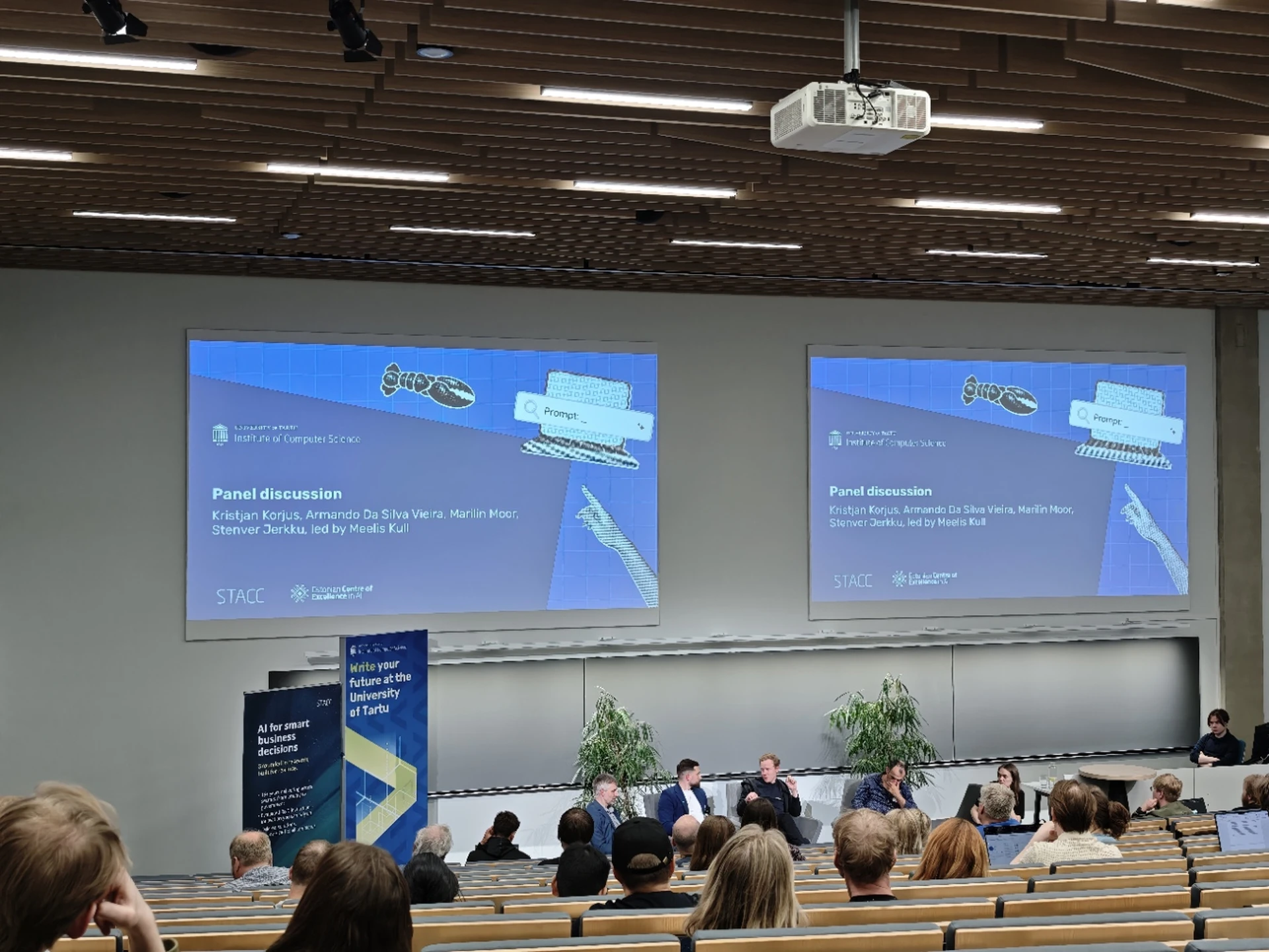
Data Science Seminar: Agentic AI – who does what?
A University of Tartu seminar at Delta focusing on agentic AI and the division of work between people, AI agents, teams and organisations.
Seeing research and business perspectives side by side was especially useful. Researchers highlighted accuracy, control and workflow-integration challenges. Businesses showed AI being used beyond experiments.
I draw on this when discussing organisation-wide AI adoption. Individual tools offer small gains; broader effects depend on integrating AI across departments, workflows and responsibilities.
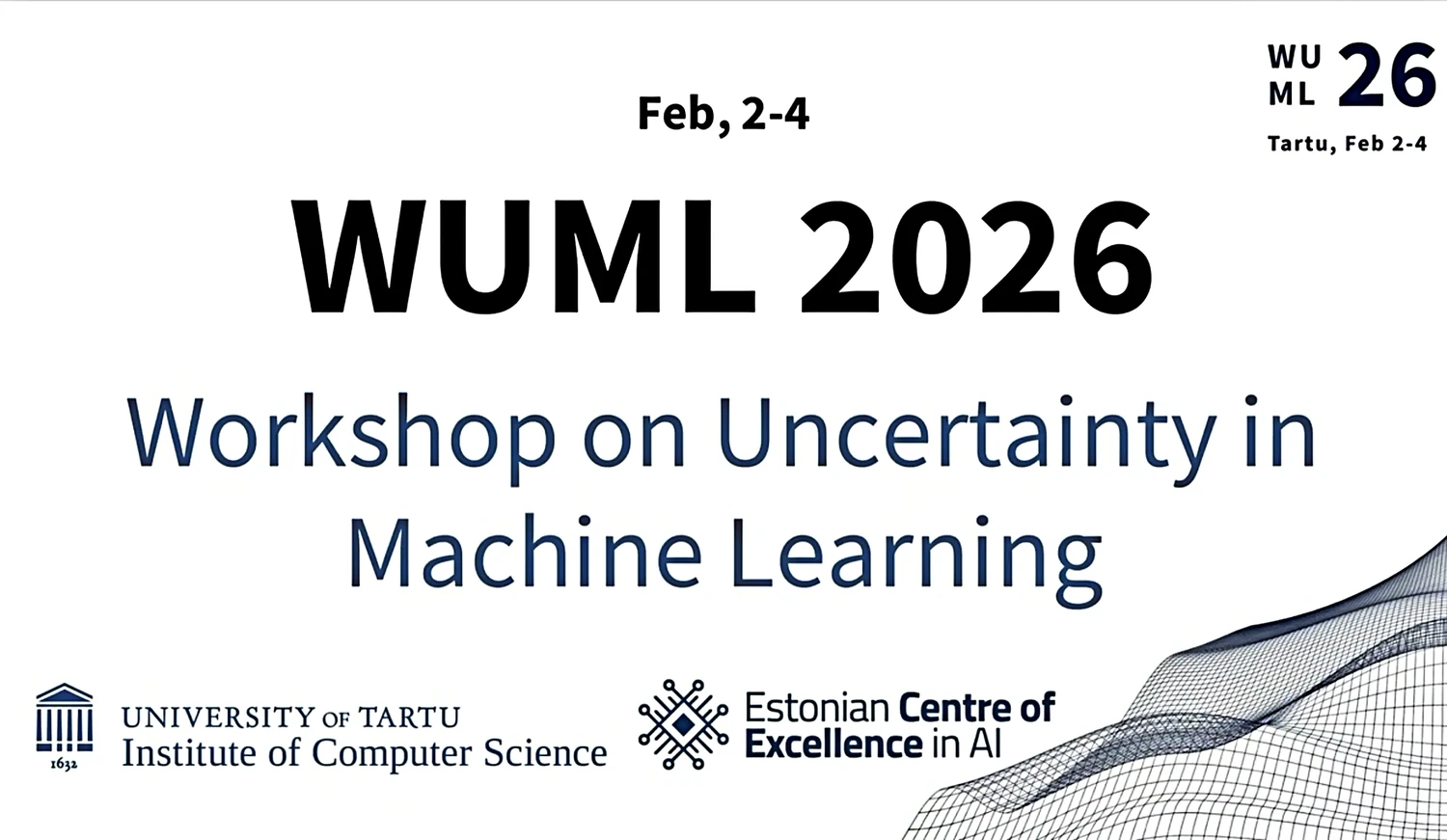
Workshop on Uncertainty in Machine Learning (WUML2026), Tartu
A three-day international workshop in Tartu on uncertainty in AI systems and machine learning.
Hallucinations and uncertainty are not simply random noise. They can be better understood, measured and accounted for through checks in a workflow.
I use this when explaining when to trust AI output, when to check it and why a confident answer may not be correct.
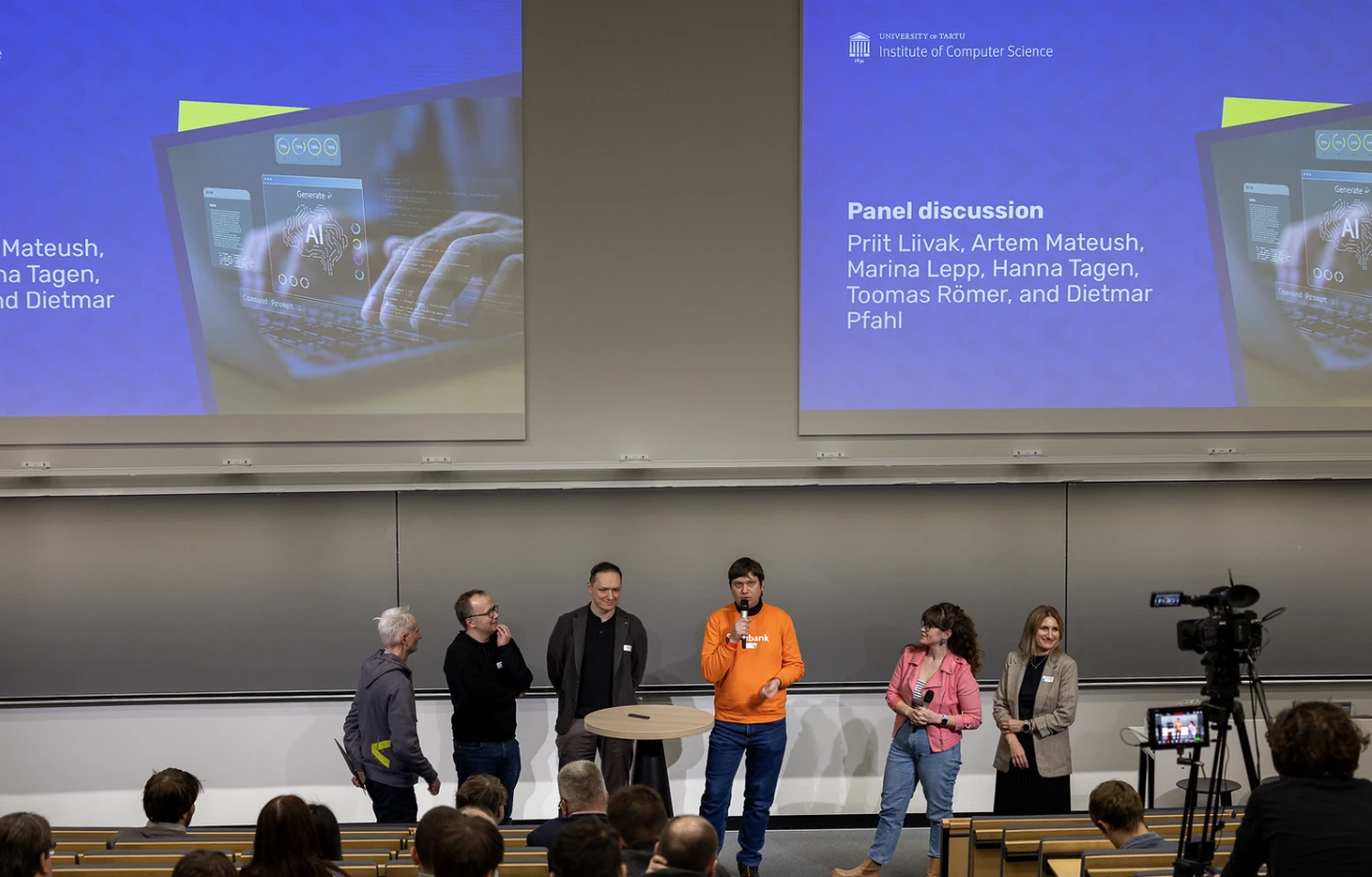
Data Science Seminar: AI for SE, Do you have the right vibe?
A University of Tartu seminar where companies and the university discussed AI in software development and organisations.
AI adoption is not a matter of flipping a switch. People retain responsibility, and expertise becomes more important, not less.
I use these insights to help businesses understand their stage of adoption and the rules needed before expanding AI use.
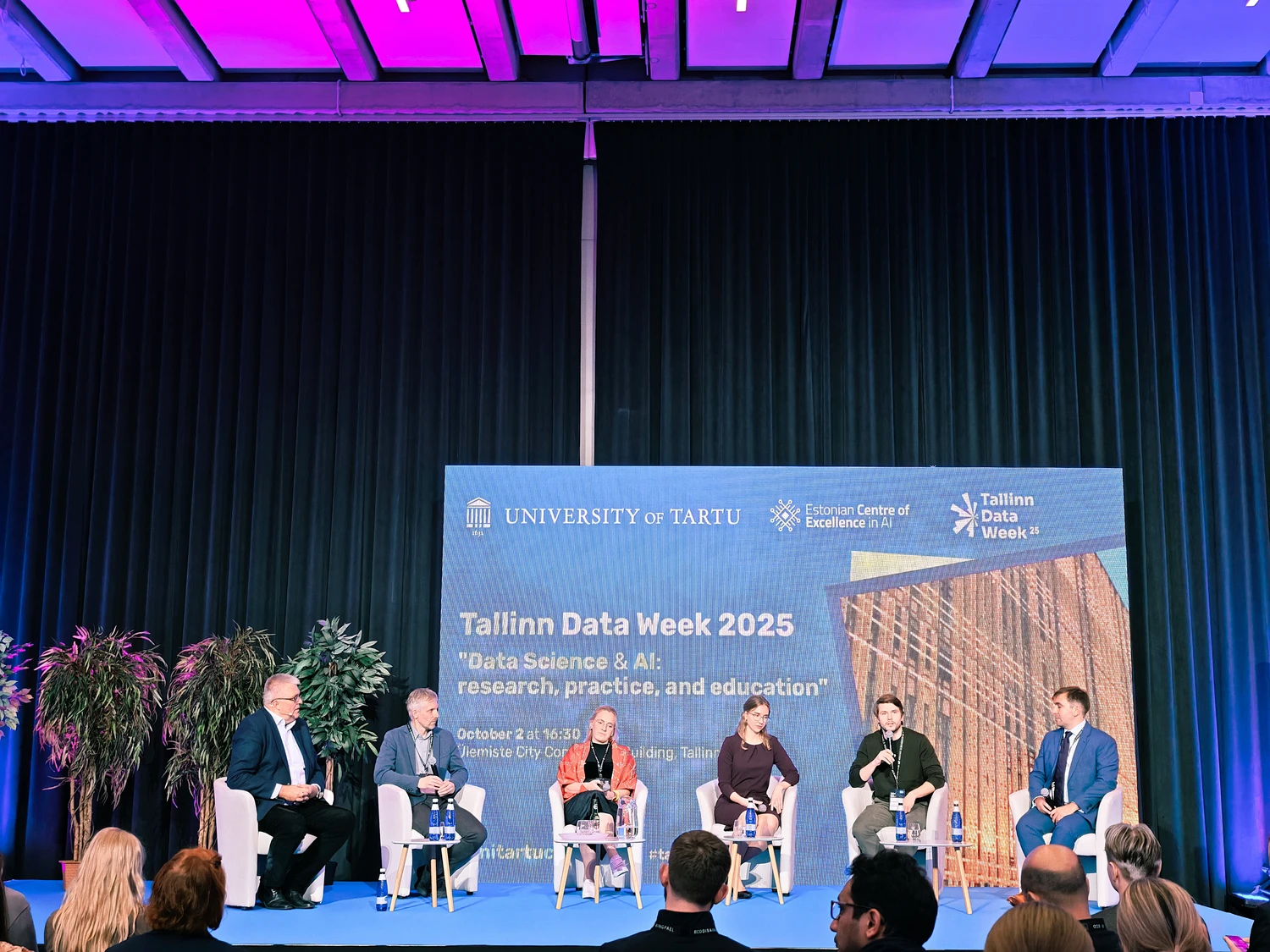
Tallinn Data Week: Data Science & AI
A discussion bringing together research, practice and education perspectives on AI and data science.
Useful AI discussion rests on methods, measurement and an honest understanding of limitations, not slogans.
This keeps training focused on verification: what can be measured, what a person must review and what is only an attractive demonstration.
AI Literacy Day, TalTech
A day at TalTech about purposeful AI use, skills, risks and responsibility.
People need basic knowledge, not just a list of tools: a clear understanding of where to start and what to avoid.
I use this in introductory training. Shared language, expectations, boundaries and responsibility come before more complex techniques.
What difference does it make?
These notes help keep training practical without becoming superficial.
Ideas from events inform the examples, risk discussions, review questions and working methods in the training.
When should you trust AI?
Hallucinations, checks, responsibility and data boundaries need discussion before broad adoption.
How do you put AI into use?
Adoption involves working methods, rules and people’s skills, not just choosing a tool.
What can the team try next?
Useful training connects a new idea to an exercise participants can apply in their working day.
FAQ
Frequently asked questions
What this page covers and what to expect.
Are these Anti Soosaar’s speaking engagements?
No. This page primarily covers events I attended as a listener, learner or industry observer. Any speaking engagements added in future will be clearly identified.
Why include these notes on a training website?
AI training needs current information. The notes show some of the sources and discussions that influence the practical methods I teach.
Can I read more detailed event summaries?
This page focuses on brief notes. Longer reflections belong in the journal when a topic warrants its own article.
How does this relate to business AI training?
The ideas support better discussion of risks, adoption, responsibility and verifiable AI use in workflows.
Let’s start with a work situation and see where AI can help.
Tell me which team and workflow need clarity. We can decide whether training, a workshop or ongoing support fits best.