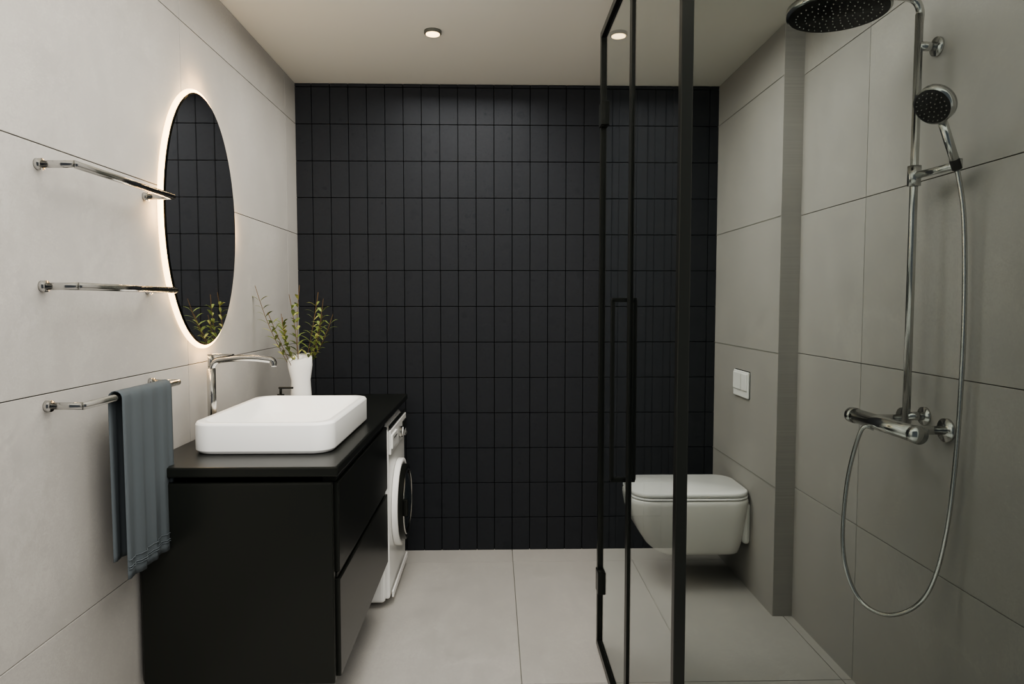
Codex · 3D
From one image to a 3D shower room: half an hour with Codex
From a photograph to a 3D room you can explore in a browser. The story shows the first working version and the refinements that followed.
Read the story and explore the example
About Anti
I teach the way I work. Thoroughly.
I am an entrepreneur and photographer. AI is an everyday tool in my work: supporting accounting, preparing construction quantities and budgets, managing online shops, creating visuals and developing websites and apps.
I bring that experience to training, including the mistakes and corrections. We break down a task from your work, choose suitable tools and work towards a result whose quality you can assess yourself. The point is to understand why a solution works and when an AI answer cannot be trusted.
See how I teach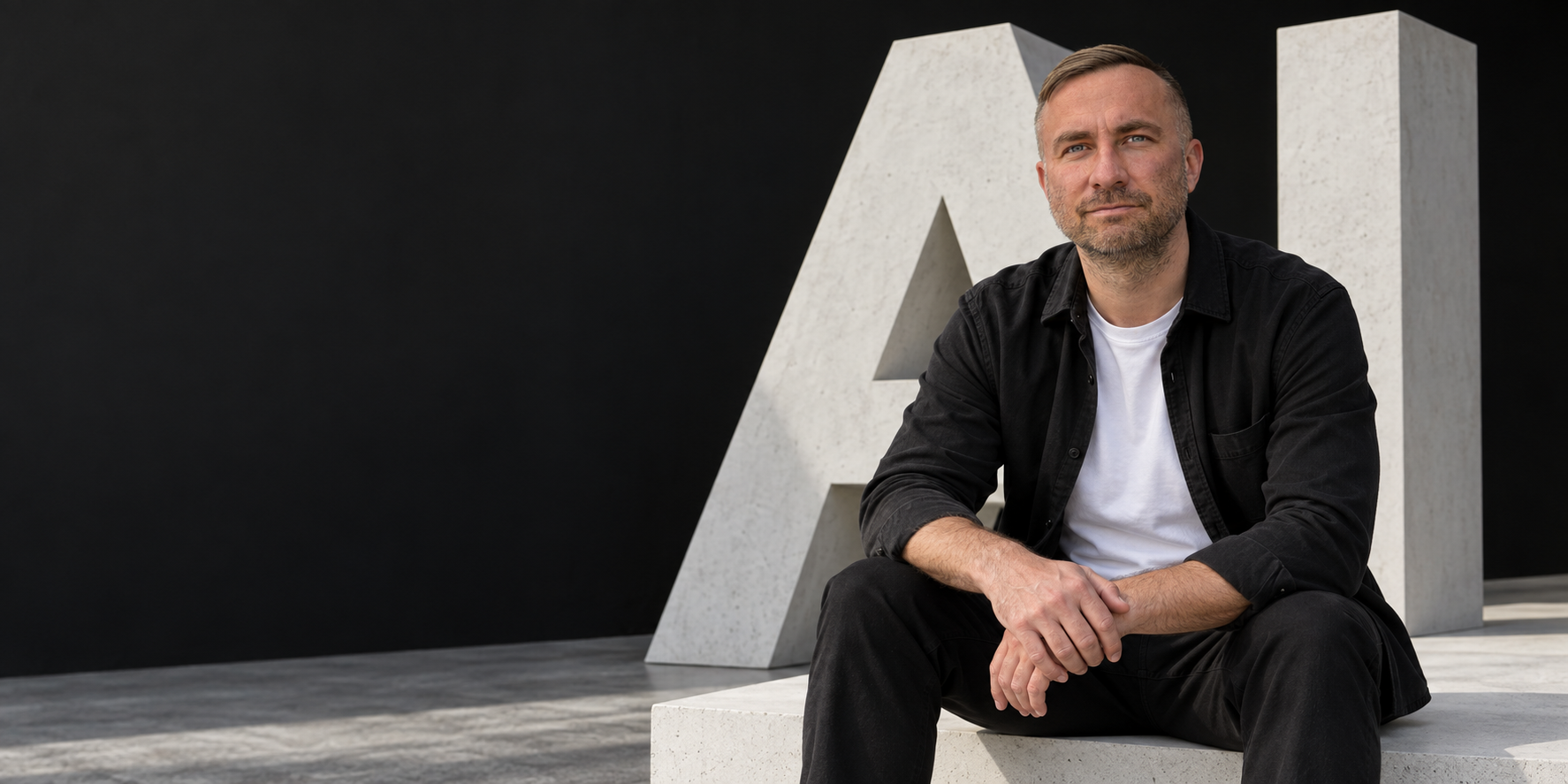
Everyday practice
Extracting invoice data, organising documents and comparing records. AI helps prepare and check the work; source documents and human responsibility remain essential.
Drawings, quantity calculations, budgets and bid comparisons. I connect calculations to their sources and make assumptions and missing information explicit.
From an idea to an interface and a working application. I use AI to develop websites and Android apps, test core workflows and fix problems.
Bookings, orders and connecting systems. I build tools that reduce repetitive manual work and help manage everyday operations.
Product photography, advertising visuals, image editing and 3D experiments. As a photographer, I look beyond the idea to lighting, composition and whether essential details survive.
Product information, shop content, campaign materials and search visibility. I connect copy, imagery and technical execution to what customers actually need.
My approach
A good answer in a chat window is only the beginning. For me, the work is done when the result is usable and it is clear what to check and what remains a human responsibility.
In training, I make my thinking visible: why I choose an approach, where the first attempt fails and how we improve it. You try the same approach on your own task. We choose the topic and depth around your work and experience.
Explore team training topicsWhat takes time, where do mistakes occur and what needs to be completed? We define the goal and agree on how to judge the result.
Review files, examples and constraints. Break a complex task into manageable parts and decide what information may be shared with AI.
I demonstrate the work step by step, including unsuccessful attempts. We investigate whether the problem lies in the source information, instructions or tool, and adapt the solution.
Compare claims and calculations with their sources, examine visual details or test the application. Distinguish evidence from assumptions and decisions that require a specialist.
Apply the approach to your own example. Record the key steps and checks so you can repeat, adapt and develop the solution later.
Practical examples
In the journal, I write about the brief, the experiments and the result. These stories show concretely how I use AI in my work.
Codex · 3D
From a photograph to a 3D room you can explore in a browser. The story shows the first working version and the refinements that followed.
Read the story and explore the example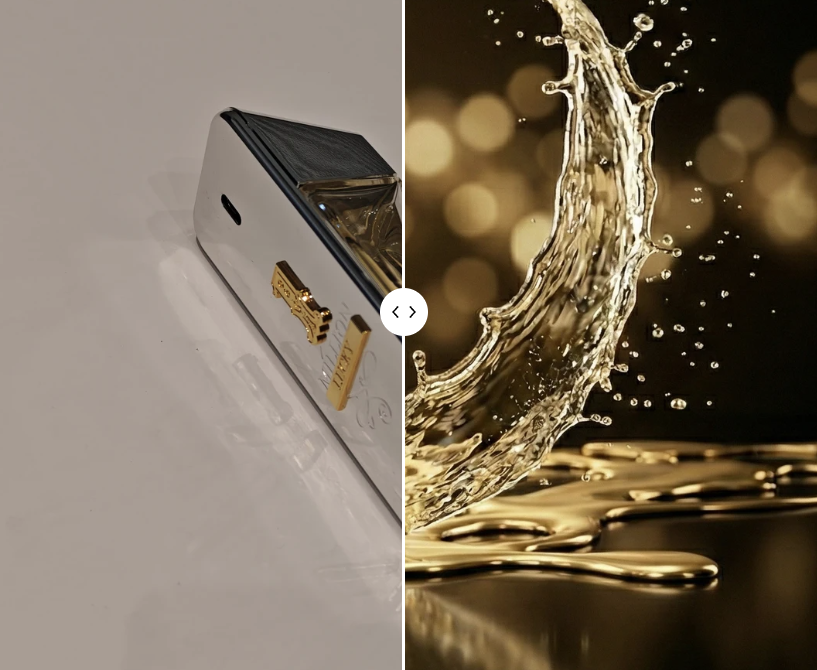
AI · Product photography
From a source photograph to an advertising visual. Perfume bottle examples and how I use AI in image work.
Read the story and see the examplesJournal
Find work examples and ideas brought back from events in the journal's separate sections.
Training for your team
Describe a couple of tasks where you want to use AI. We can then choose a suitable training topic and approach.